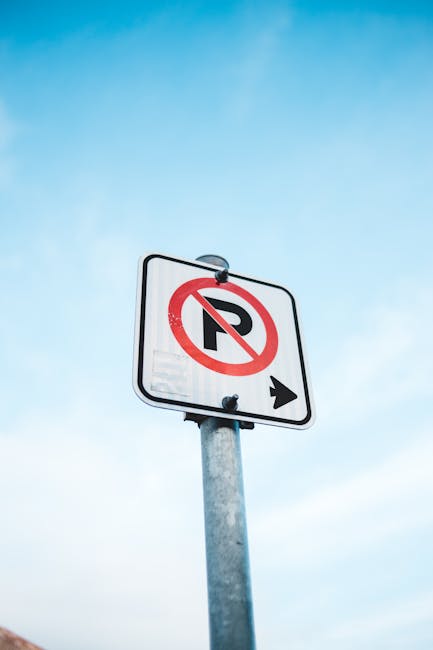
Avoid fines: Fulwell parking suspension rules (Richmond)
Posted on 05/07/2026
If you are moving house, unloading furniture, or arranging a van in Fulwell, parking can become the one detail that quietly causes the biggest headache. One minute you are focused on boxes and timelines; the next, you are staring at a suspension notice and wondering whether your vehicle is actually allowed to stop there. This guide on Avoid fines: Fulwell parking suspension rules (Richmond) is here to help you stay calm, stay legal, and avoid the kind of avoidable charge that turns a busy move into an expensive one.
The good news? With a bit of planning, parking suspensions are manageable. You do not need to be a traffic-law expert. You just need to understand what the suspension means, how to check the signs properly, and how to plan loading or unloading around it. That is what we will walk through here, with a local, practical focus.
For a smoother move overall, it also helps to pair parking planning with other basics like stress-free moving preparation and local parking tips for Fulwell Broadway TW2. Little things. But they matter.
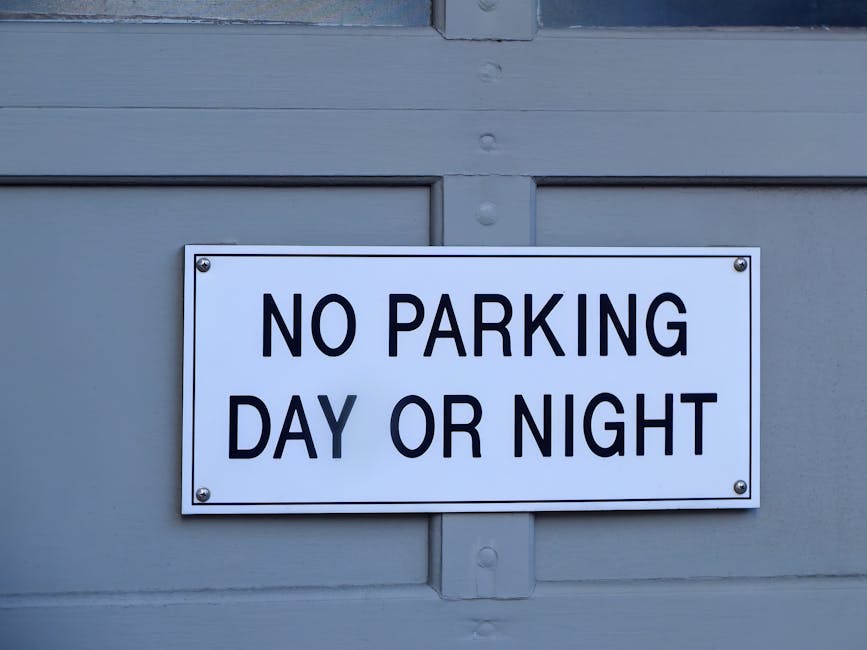
Why Fulwell parking suspension rules matter
Parking suspensions are not just a nuisance sign nailed onto a lamp post. In a place like Fulwell, where streets can be tight, spaces can disappear quickly, and moving vans often need to load close to the property, a suspension can directly affect your move. Park in a suspended bay or block access to one, and you risk a penalty, delays, or a very awkward conversation with your removals team.
That matters because moving day is already a fragile chain of events. If the van has to park two streets away, carry distance increases. If access is blocked, heavy items take longer to shift. If the driver is trying to guess whether a bay is suspended, you lose time at the exact moment you can least afford it. To be fair, that is how a small planning error becomes a big problem.
In practice, Fulwell parking suspension rules matter most for:
- house moves and flat moves
- furniture deliveries
- same-day removal jobs
- piano or bulky item relocations
- skip deliveries or temporary loading areas
If you are sorting a move and still deciding what to keep, it may also help to review clear-the-clutter advice before moving house. Fewer items usually means less loading time, and less time spent parked in one spot. Simple enough, but useful.
How Fulwell parking suspension rules work in practice
A parking suspension temporarily restricts the use of a parking bay or section of road. In plain English, a space that normally looks available may be temporarily reserved for a specific purpose such as a move, works, access, or road management. The sign should tell you the start and end period, the area affected, and sometimes the reason.
The part people miss is this: a suspension is about the specific place and time shown on the sign. If your van is there outside the permitted window, or if the bay is included in the suspended area, you may be parked unlawfully even if the street looks otherwise quiet. That is the bit that catches people out.
What to look for on the street
- start and end dates or times
- the exact length of road or bay covered
- temporary cones, covers or notice plates
- whether loading is also restricted
- any special instructions for residents or visitors
One small but important habit: read the sign twice. Once from a distance, once up close. Signs can be angled, partly obscured, or placed farther along the street than you expect. On a wet morning, with boxes on your hands and the van idling nearby, it is very easy to miss a detail. Happens all the time.
If your move includes a tight stairwell, awkward corners, or heavier items, safer lifting technique guidance can also help reduce pressure on the day. Less rushing means fewer mistakes, which is half the battle really.
Key benefits and practical advantages
Planning around Fulwell parking suspensions does more than prevent fines. It improves the whole moving experience. The difference is noticeable.
- Fewer fines and disputes: you avoid penalties from parking in the wrong place or at the wrong time.
- Faster loading: a properly planned van position reduces carry distance.
- Less stress: you are not trying to read signs while carrying a wardrobe panel.
- Better timing: your removals team can work to a realistic schedule.
- Cleaner access: routes to entrances, lifts and hallways stay clearer.
There is also a hidden benefit: confidence. When the parking is sorted, the rest of the move tends to feel more controlled. You stop second-guessing. You start operating properly. That alone can make a long day feel a bit more manageable.
Expert summary: the smartest way to avoid fines is not to "chance it" and hope for the best. It is to confirm the suspension area, arrive within the correct time window, and have a backup parking plan nearby in case the obvious space is already taken.
That backup plan matters particularly around busier routes. If you are moving near the station or a busier stretch, check route timing in advance; best van routes and times near Fulwell Station can be helpful when timing is tight.
Who this is for and when it makes sense
This topic is for anyone who might park a van, car, or loading vehicle in Fulwell while moving items. That includes homeowners, tenants, landlords, students, and small businesses. If your vehicle is stopping close to a property, you should think about the parking suspension rules before you think about carrying straps or box labels. Yes, really.
It especially makes sense when:
- you are moving on a weekday or during peak parking hours
- there is limited kerb space near the property
- you need a short-term loading bay
- you are arranging a skip, storage drop, or bulky furniture delivery
- you live in a flat or basement property where quick access is essential
If your move is more complex, say a top-floor flat or a building with narrow access, you may want to read Fulwell Park Estate access and lift considerations and compare that with what your parking setup allows. The two issues often go hand in hand.
Step-by-step guidance for avoiding fines
Here is the practical part. Follow these steps and you will massively reduce your risk of parking issues on the day.
- Check the street in advance. Do not leave this until moving morning. Walk or drive past the location if possible.
- Read every suspension sign carefully. Look for dates, times, bay markings and the exact affected area.
- Confirm whether the bay is usable for loading. Some suspensions are strict; others may allow limited activity. Never assume.
- Plan your arrival window. Build in a buffer for traffic, wrong turns, or a neighbour's car already being in the space.
- Choose a backup parking spot. Have a second option ready within a sensible walking distance.
- Tell your removals team the parking plan. The driver should know where to stop, where not to stop, and what to do if the bay is occupied.
- Keep proof of any arrangements. If you have booking notes, permit details, or written instructions, keep them handy.
- Re-check on the day. Signs can be updated or extended. A quick final look can save a lot of grief.
If the move is urgent, that planning becomes even more important. Have a look at same-day move expectations and fees so you can see why the parking side should be locked down early. Same-day jobs are great, but they do not forgive loose planning.
A simple rule of thumb
If you are unsure whether a space is legal, treat it as unsafe to use until confirmed. That sounds cautious, and it is. But it is cheaper than a fine.
Expert tips for better results
In our experience, the best move-day parking plans are the boring ones. The ones where nothing dramatic happens. That is the goal. Not excitement. Predictability.
- Arrive early, not just on time. A few extra minutes can be the difference between an easy bay and a blocked bay.
- Keep the van route simple. Avoid unnecessary turns or awkward reversals near the property.
- Use one person as the parking checker. Too many opinions can slow everything down.
- Load smartly if you must park farther away. Heavier items should go first, and the shortest carry route should be reserved for them.
- Reduce the amount to move in one trip. A lighter load is faster to shift and less likely to cause a rush.
If you are doing the packing yourself, it is worth revisiting packing smartly for relocation. Efficient packing can trim precious minutes off loading time, which matters a lot if the parking window is narrow.
And if you are handling awkward or bulky items, don't forget that the van position may need to support safer handling too. A piano, for example, is not just heavy; it changes the whole rhythm of the job. Piano relocation is a different game entirely, and parking convenience becomes even more valuable.
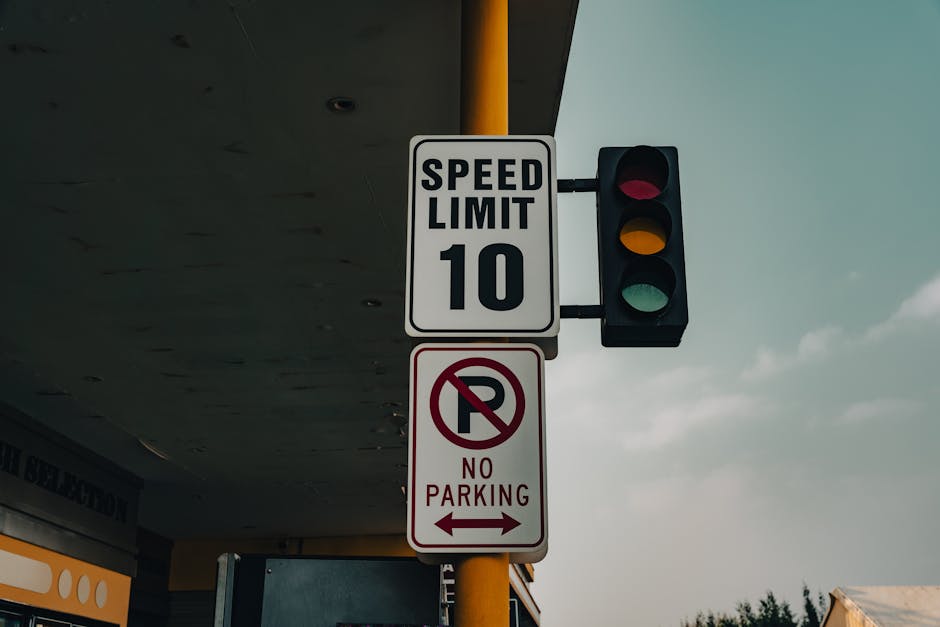
Common mistakes to avoid
This is where people usually trip up. Not because they are careless, but because moving days are noisy and distracting. The kettle is boiling, someone is looking for a passport, the van is reversing, and the sign is just there. Easy to misread. Easy to assume.
- Assuming a normal bay is fine. If there is a suspension sign, normal parking rules do not apply.
- Only checking the sign once. Details can be missed the first time.
- Parking before the suspension starts and leaving the vehicle there. The clock matters.
- Blocking access "just for a minute." Minutes can become penalties.
- Not warning the driver. The van may arrive expecting one thing and find another.
- Ignoring nearby restrictions. Double yellow lines, permits, and suspension zones can overlap.
- Forgetting that a loading area can still be restricted. Loading is not automatically allowed.
A common real-world slip is the "I thought I was just outside the zone" mistake. That can happen when the sign is a little further along the road than you expected. If the street looks similar all the way down, people often misjudge the exact boundary. Annoying, but common.
Tools, resources and recommendations
You do not need fancy equipment, but a few simple tools help a lot when dealing with parking suspensions and move-day logistics.
- Phone camera: take a quick photo of the suspension sign for your records.
- Notebook or move checklist: write down times, bay locations, and any backup plans.
- Reflective vest or torch: useful for early-morning or darker hours when checking signs.
- Box labels: reduce loading time by making each trip more efficient.
- Trolley or straps: helpful if the van needs to park a little further away.
For more practical moving-day prep, you may also find cleaning a home before departure useful, especially if you want the property cleared and tidy before handover. The less you are juggling at the last minute, the better.
If you need storage as part of the move, that can also reduce pressure on parking timing by splitting the job into smaller stages. See storage options in Fulwell if your move is being done in phases.
Law, compliance and best practice
Parking suspension rules sit within local traffic and parking controls, and the key point is straightforward: if a suspension applies to a bay or length of road, you should not park there outside the permitted terms. Because local rules can change and signs can be updated, it is best to rely on the live signage at the location rather than memory or hearsay.
Best practice in a Fulwell move is to treat the suspension as part of the moving plan, not a separate issue. That means:
- checking the sign before the move date
- confirming the date and time window on arrival
- keeping the vehicle out of any suspended bay unless clearly allowed
- planning alternative loading space in advance
- respecting any resident-only, permit-only or waiting restrictions nearby
On a practical level, compliance also means not creating avoidable obstructions. Even if you are only stopping briefly, blocking a live bay, dropped kerb, entrance, or turning space can cause disruption. In busy residential streets, that kind of thing gets noticed quickly. And honestly, nobody enjoys being the reason a neighbour cannot get out.
If your move involves a broader set of local permissions, such as skips or access arrangements, Richmond Council rules on house moves and skip permits can help you think through the rest of the admin side too.
Options, methods, or comparison table
There are usually a few ways to handle parking during a move. The best option depends on the street layout, timing, and how much you are moving.
| Method | Pros | Cons | Best for |
|---|---|---|---|
| Park directly in the approved loading space | Shortest carry, fastest loading | Only works if the space is clearly usable | Small and medium moves with clear signage |
| Use a nearby backup space | Reduces risk if the main bay is taken or suspended | Longer carry distance | Busy streets or uncertain parking conditions |
| Split the move into two timed loads | Easier to manage around restricted parking windows | Takes more coordination | Flexible moves with storage or multiple trips |
| Use a removals team familiar with local streets | Less stress, better judgement on access | May cost more than doing it alone | Complex, heavy, or time-sensitive moves |
For many people, the last option ends up being the least stressful. A local team that understands street access in Fulwell can make a big difference, especially if your property has awkward parking or building restrictions. If that sounds familiar, the broader services overview is a sensible place to start understanding what support is available.
Case study or real-world example
A typical Fulwell move might go like this. A family is leaving a two-bedroom flat on a narrow residential road. The van is due at 8:30 in the morning, and there is a temporary suspension on part of the street due to nearby works. They do a quick check the evening before, spot the sign, and realise the first bay they planned to use is not available.
Instead of guessing, they move the van plan to a nearby stretch that is outside the suspension window. One person stays near the entrance to guide the driver in. Boxes are stacked by room, the sofa is ready to go, and the heaviest items are loaded first. There is a bit of walking involved, yes, but no ticket, no confrontation, no panic. The move still feels busy, but not chaotic.
Now compare that with the less lucky version. The van parks in the suspended bay because "it looked fine." Two hours later, there is a penalty notice tucked under the wiper, and the team is already behind schedule. That is the kind of mistake people only make once.
For tighter properties or flats, it can also help to think through access before the move date. local moving checklists for nearby areas are useful because they remind you to plan for the whole street picture, not just the front door.
Practical checklist
Use this on the day before and again on the morning of your move.
- confirm the exact address and road name
- check for any suspension signs near the intended parking space
- note the start and end times shown on the sign
- take a photo of the sign and bay markings
- choose a backup parking space nearby
- tell the driver where to stop and where not to stop
- keep access clear for neighbours and pedestrians
- arrange boxes and furniture so loading is quick
- allow extra time for stairs, lifts, or awkward items
- re-check the area just before the van arrives
If your move involves lifting big items, it is worth brushing up on efficient heavy lifting techniques before the day. The safer the carry, the easier it is to stay within any tight parking window.
Quick takeaway: treat parking as part of the move plan, not a last-minute detail. In Fulwell, that small mindset change saves time, money, and a lot of stress.
Get a free quote today and see how much you can save.
Conclusion
Avoiding fines around Fulwell parking suspension rules in Richmond is mostly about attention, timing, and common sense. Nothing glamorous. Just careful preparation, a proper read of the sign, and a realistic backup plan if the space you hoped for is not available. That is usually enough to keep the day moving in the right direction.
If you are planning a move, especially one with bulky furniture, tight access, or a busy street outside, do not leave parking until the last minute. It is one of those details that seems small until it suddenly isn't. Sort it early, and the rest of the day feels lighter. A little calmer too.
And if the move still feels overwhelming, that is completely normal. Most people do not enjoy juggling boxes and parking notices at the same time. One step at a time. You will be fine.