Fulwell removals: parking tips for Fulwell Broadway (TW2)
Posted on 27/04/2026
Fulwell Removals: Parking Tips for Fulwell Broadway (TW2)
Parking can make or break a moving day. If you are planning Fulwell removals: parking tips for Fulwell Broadway (TW2) matter more than people often expect, because the best packing plan in the world still struggles when the van cannot stop close enough to the door. A few minutes of planning around access, loading space, and timing can save you hours of carrying, frustration, and awkward last-minute reshuffling.
Fulwell Broadway sits in a busy local setting where traffic flow, kerb space, nearby shops, and residential parking patterns all affect a move. Whether you are moving out of a flat, a family home, or a small office, the practical question is the same: where will the removal van stop, how long can it stay there, and how do you keep the move safe and smooth? This guide breaks down the real-world details so you can plan properly and avoid the common mistakes that slow moves down.
Along the way, we will also look at sensible preparation, local best practice, and a few service pages that can help you build a more organised move, including removals in Fulwell, man with a van support, and packing and boxes guidance.
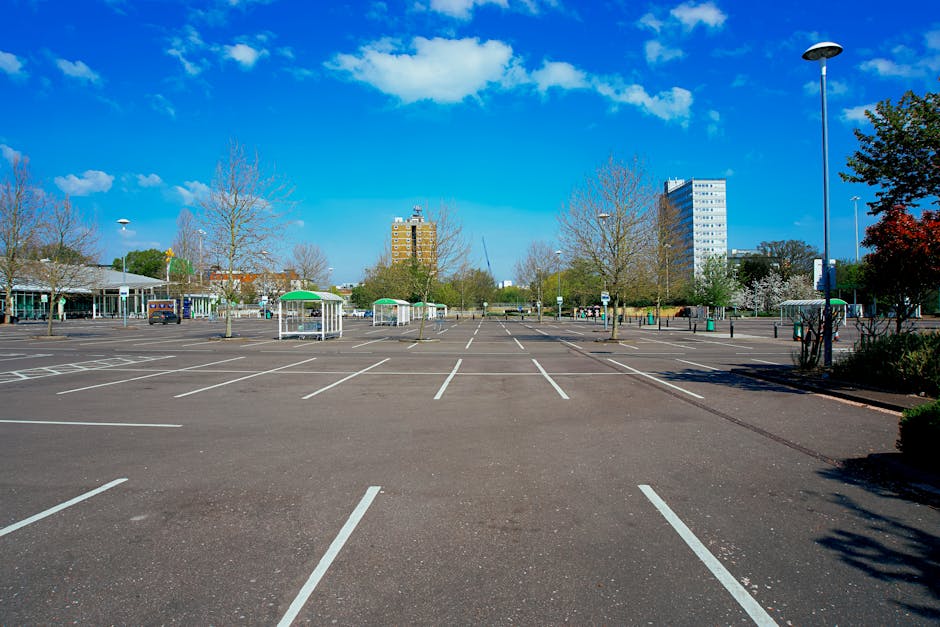
Why Fulwell removals: parking tips for Fulwell Broadway (TW2) Matters
Parking is not just a convenience issue during a move; it is a time, safety, and cost issue. If a removal van has to stop farther away than planned, every box, mattress, sofa, and appliance becomes a longer carry. That means more fatigue, more chances of scuffed walls or dropped items, and more time spent on the pavement instead of getting the move done.
In a location such as Fulwell Broadway, the parking setup may change from one side road to another, and it may differ by time of day. Busy high-street style roads, nearby junctions, and resident pressure can make a "quick stop" harder than expected. That is why parking planning should be treated as part of the removal itself, not an afterthought.
This is especially true if you are managing a flat move, a family relocation, or a business clearance. For example, a first-floor flat with a narrow stairwell already creates an access challenge. Add a van that must park 60 metres away, and you have a move that suddenly needs more labour, more time, and tighter coordination. If you are weighing service choices, pages like flat removals in Fulwell and house removals support can help you match the move type to the right level of support.
The short version? Better parking planning usually means a calmer move. And on moving day, calm is underrated.
How Fulwell removals: parking tips for Fulwell Broadway (TW2) Works
The practical goal is simple: position the vehicle so loading is efficient, legal, and safe. In removals work, "good parking" usually means as close as possible to the property without causing an obstruction, violating parking controls, or blocking pedestrians. It also means choosing a spot that lets the team load in a straight line rather than carrying items around obstacles.
In real terms, the process usually looks like this:
- Check the local road layout and the property's frontage before the moving day.
- Decide whether the van should park directly outside, slightly further along the road, or in a designated loading area if one exists.
- Confirm whether you need to account for time restrictions, permits, yellow lines, resident bays, or school-run congestion.
- Make sure the route from the property to the van is clear of parked cars, bins, bikes, and loose items.
- Coordinate the load order so the heaviest or most awkward items go on first while the access path is freshest and safest.
That sounds straightforward, but timing matters. A van arriving five minutes too early may find a space taken. A van arriving five minutes too late may hit a busier road condition or a more crowded pavement. This is why a good moving plan includes a buffer, not just an address.
If you are also dealing with fragile or specialist belongings, the parking plan becomes even more important. A piano, for instance, needs a near-direct loading route and careful handling; see piano removals in Fulwell and the related guide on why piano relocation needs specialist care. For standard household items, the same logic still applies: the shorter and clearer the carrying route, the better the outcome.
Key Benefits and Practical Advantages
Thoughtful parking planning gives you more than convenience. It improves the move across several important areas.
- Less carrying distance: Fewer steps between property and vehicle means less strain and quicker loading.
- Lower damage risk: A direct route reduces the chance of clipping door frames, scrapes on skirting, or accidental drops.
- Better time control: The van spends less time waiting, and the crew can maintain momentum.
- Improved safety: Clear loading space reduces trip hazards and awkward lifting angles.
- Less stress for everyone: A move feels more manageable when the practical logistics are under control.
There is also a knock-on effect on budgeting. If access is difficult, a move can become slower and more labour-intensive. Planning parking properly helps keep the job efficient, which is one of the reasons professional movers ask about access before quoting. If you want a broader view of what support is available, the services overview and pricing and quotes pages are useful starting points.
Another practical benefit is organisation. When the van is where it needs to be, you can load by priority: essentials first, then larger furniture, then final loose items. That simple sequence can prevent the classic moving-day scramble where someone is hunting for kettle boxes while the truck is already half full.
Who This Is For and When It Makes Sense
This advice is useful for almost anyone moving in or around Fulwell Broadway, but it matters most for people with access-sensitive moves. That includes:
- Flat movers with stairs, shared entrances, or limited frontage space
- Families moving bulky furniture or multiple room contents
- Students or sharers with tighter deadlines and smaller parking windows
- Office movers managing desks, IT equipment, and time-critical handover schedules
- Anyone booking a same-day or short-notice move
If your move involves larger items, the parking plan becomes more than a background detail. A sofa or mattress is awkward to pivot through narrow spaces, so the more efficient the van positioning, the less time you spend wrestling with the item before it is even loaded. Helpful background reading includes bed and mattress moving tips and sofa protection guidance.
It also makes sense for anyone trying to reduce moving day chaos. If you have ever stood on a pavement with a box in your hands wondering why the van is still circling the block, you already know why this subject matters.
Step-by-Step Guidance
Here is a practical way to handle parking for a move around Fulwell Broadway without overcomplicating things.
1. Inspect the frontage before moving day
Visit the property at roughly the time you expect the move to happen. A road that feels spacious at 10 a.m. may feel very different at school pickup time or during a busy shopping period. Look at curb space, road width, visibility, and any signs that affect stopping or waiting.
2. Measure the carry route, not just the parking bay
A "good" parking space is not really good if it creates a long, awkward carry. Check for steps, gates, narrow pavements, sloped driveways, bollards, parked cars, or tight turns between the van and the door.
3. Decide what the van actually needs
Some moves need the vehicle directly outside for a short loading window. Others can tolerate parking a little further away if the route is safe and clear. For a small, light move, a short walk may be fine. For a full house or office move, closer is usually better.
4. Prepare signage and communication in advance
If anyone in the household or building can help reserve space appropriately and legally, coordinate the timing clearly. Do not rely on vague assumptions. The person parking the van should know exactly which side of the road, which frontage, and which access route is planned.
5. Load in the right sequence
Heavy items should generally go in first, followed by stacked boxes and lighter items. That reduces rehandling and keeps the van balanced. For specialist lifting techniques and safer handling, the guides on kinetic lifting and lifting heavy loads efficiently are useful complements.
6. Build in a parking buffer
Even with good planning, you can hit an unexpected obstruction. A delivery vehicle, a neighbour's car, or a temporary road issue can change the situation. Build in a buffer so the schedule can absorb a small delay without turning the whole day into a rush.
7. Keep the exit path clear
Once loading begins, the route between property and vehicle should stay clear. Move bins, doormats, stray boxes, and loose debris before the first large item is carried. It sounds basic, but basic is often what prevents damage.
Expert Tips for Better Results
These are the kinds of details that make a move feel easier rather than merely possible.
- Plan for the vehicle size, not the dream vehicle size. A larger van sounds efficient until a narrow access road makes manoeuvring difficult. The best choice is the one that works on the day, not just on paper.
- Keep the driver informed early. If the property has a tricky approach, let the mover know before arrival. A good crew would rather adjust once than improvise repeatedly.
- Use the heaviest items as visual markers. If a sofa or wardrobe needs to be loaded through a specific route, identify that path first and clear it properly.
- Protect the items that suffer most from repeated handling. Delicate finishes, soft upholstery, and mattresses benefit from smart packing and wrapping. Our packing smartly guide and decluttering tips can help reduce the volume you actually need to move.
- Think about unloading at the destination too. Parking is a two-end problem. The easier the unload at the new property, the sooner the day finishes.
A small, often overlooked point: if you are moving valuable furniture or equipment, parking close can be worth more than shaving a little off the van hire time. Less handling usually means less risk. That trade-off is easy to miss when people focus only on the postcode.
If you want a service that aligns with this practical approach, man and van support in Fulwell can be a good fit for smaller or more flexible moves, while removal services suit broader household or business relocations.
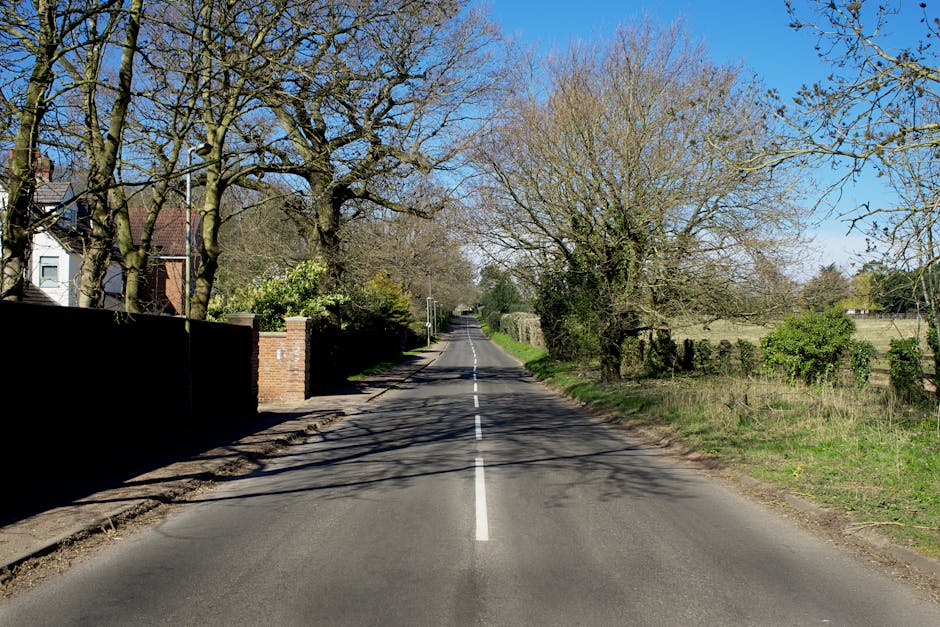
Common Mistakes to Avoid
Most parking problems are preventable. The recurring mistakes are usually these:
- Assuming space will be available: Roads near active local areas can change hour by hour.
- Ignoring distance from door to van: A space that is technically available may still be a poor loading position.
- Leaving access checks too late: You do not want to discover a problem while the crew is already on site.
- Blocking the pavement or a neighbour's driveway: Even a short stop can create complaints or hazards if done badly.
- Forgetting building rules: Flats, estates, and managed properties sometimes have access expectations that should be respected.
- Underestimating awkward items: Fridges, sofas, wardrobes, and pianos all need more room than a box of books.
The most expensive mistake is usually the one that creates chain reaction stress. One missed parking detail can turn into a late start, rushed lifting, and poor item handling. If the move is complex, this is also where a professional crew's experience becomes valuable. The company's health and safety policy and insurance and safety information are worth reviewing if you want reassurance before booking.
Tools, Resources and Recommendations
You do not need a giant toolkit to manage parking well, but a few simple resources help a lot.
- Local map and street-view check: Useful for understanding width, turns, and likely stopping points.
- Measuring tape: Helps estimate whether furniture, ramps, or trolleys will fit through the carry route.
- Blank labels or notes: Handy for marking items that must be loaded near the van door.
- Protective materials: Blankets, wraps, and covers reduce the damage risk when items have to be moved quickly.
- Booking notes: Write down access restrictions, entry codes, and arrival timing in one place.
For larger or more delicate items, specialist guidance is often more useful than improvisation. If you are storing items before or after the move, storage in Fulwell and the article on sofa protection for storage are helpful. If your move includes a freezer or kitchen equipment, the guide on freezer storage during non-use periods is practical and easy to apply.
And if you are packing from scratch, packing and boxes support can make the job much more orderly. Good packing and good parking are a strong pair.
Law, Compliance, Standards, or Best Practice
Parking during removals should follow normal road rules, local restrictions, and building-specific requirements. Because parking controls can vary, you should always check the actual signs on the street rather than relying on assumptions from a previous visit. That is especially sensible in busy local areas where restrictions may differ by time or bay type.
Best practice is to avoid obstructing access, blocking driveways, creating hazards for pedestrians, or ignoring controlled parking rules. If loading requires a reserved space or special arrangement, make sure the approach is lawful and appropriate for the location. In practice, this often means planning early, communicating clearly, and using the shortest reasonable loading window.
For moving companies, safety matters too. Proper lifting, sensible vehicle positioning, and clear routes reduce the chance of accidents. That is one reason reputable services invest in procedures, training, and careful job planning. If you want to understand the company's operating standards, you can review the terms and conditions, health and safety policy, and complaints procedure equivalent page structure if available on the site navigation. A business that is transparent about its processes usually makes a move easier to trust.
Practical rule of thumb: if the parking plan feels uncertain, treat it as a moving-day risk and solve it before load-out starts.
Options, Methods, or Comparison Table
Different parking approaches suit different move sizes and property types. Here is a simple comparison to help you decide.
| Parking approach | Best for | Benefits | Trade-offs |
|---|---|---|---|
| Directly outside the property | Smaller moves, fast loading, bulky furniture | Shortest carry, fastest handling, easier supervision | May be unavailable or restricted |
| Nearby legal stop with short carry | Medium moves, moderate access issues | Often more realistic, less likely to conflict with local traffic | Requires more carrying and coordination |
| Managed loading area or agreed frontage space | Flats, offices, controlled access sites | Structured and predictable if arranged properly | Needs planning, permissions, and timing discipline |
| Remote parking with trolley support | Special cases, difficult streets, larger crews | Flexible where access is tight | Slower, more labour-intensive, higher handling load |
For most household moves, the sweet spot is a legal, safe stop that keeps the carry route short and clear. For office moves, predictability may matter more than absolute proximity. For a student move, speed and simplicity usually win. If you are unsure, a quick conversation with a local removal specialist is often worth more than guessing.
Case Study or Real-World Example
Consider a typical Fulwell flat move on a weekday morning. The property is on a road with active traffic, and the resident initially assumes the van can stop right outside. On arrival, however, that exact spot is taken, and the nearest obvious alternative is farther along the road.
Because the parking plan was discussed in advance, the move still works. The crew parks legally a short distance away, clears the carry route, and loads the larger items first while the corridor remains free. The sofa, mattress, and box stacks are moved in a steady sequence rather than in a panic. Nothing dramatic happens, which is exactly the point.
Now compare that with an unplanned version of the same move. The van arrives, space is uncertain, nobody has checked the frontage, and the team spends ten minutes circling while items wait in the hall. That may not sound disastrous, but in removals those lost minutes add up fast. Fatigue rises, patience drops, and the risk of mistakes climbs.
This is where practical preparation pays off. If you already know your access route, your likely stopping point, and your large-item order, the move stays controlled. For more help on reducing the overall moving load, see how to reduce house-moving stress and a smooth, stress-free house move guide.
Practical Checklist
Use this checklist to keep parking and access under control.
- Confirm the moving date, arrival time, and estimated loading window.
- Inspect the road and frontage in advance.
- Check for parking restrictions, bays, and loading limitations.
- Identify the shortest safe route from door to vehicle.
- Clear bins, bikes, loose items, and trip hazards.
- Tell everyone involved where the van should stop.
- Prepare wraps, blankets, straps, and box labels before the crew arrives.
- Place the biggest or most awkward items closest to the access point.
- Keep entrances, stairs, and corridors free during load-out.
- Have a backup plan if the ideal parking spot is unavailable.
If you tick off those basics, you will avoid most of the problems that turn moving day into a slog.
Conclusion
Good parking is not flashy, but it is one of the quiet strengths of a well-run move. For Fulwell removals: parking tips for Fulwell Broadway (TW2), the main lesson is simple: plan the access as carefully as you plan the packing. The closer, safer, and clearer the van position, the easier it is to move efficiently and protect your belongings.
That is true whether you are moving a few boxes, a full family home, or a specialist item that needs extra care. Start with the street layout, think through the carry route, and communicate clearly with your removals team. A little preparation now can spare you a lot of stress later.
If you are getting ready for a move and want support that feels practical rather than overcomplicated, explore the relevant service pages, compare your options, and book early enough to plan access properly.
Get a free quote today and see how much you can save.