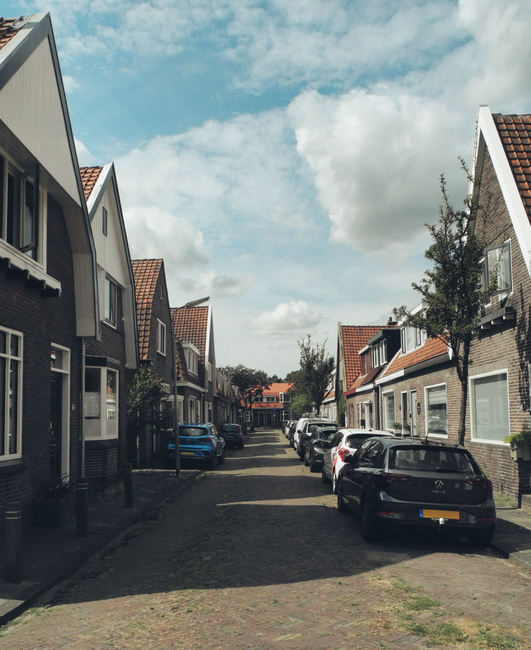
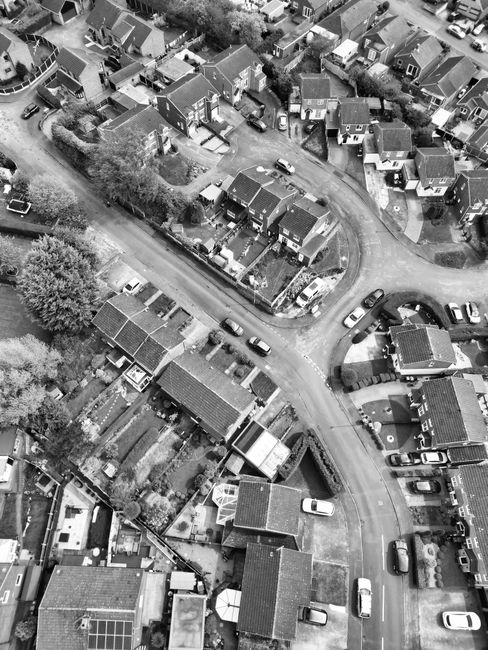
TW2 terrace house removals on narrow streets made simple
If you are trying to move out of a TW2 terrace house on a tight street, you already know the awkward bits can start before the first box is lifted. Cars parked both sides. A narrow frontage. Stairs that seem to spin forever with a mattress on the landing. And that one neighbour who is always just there when a van blocks the kerb for ten seconds. This guide to TW2 terrace house removals on narrow streets made simple is for exactly that kind of move: practical, local, and calm under pressure.
Let's face it, a terrace house move is rarely just about getting items from A to B. It is about access, timing, parking, protecting walls and banisters, and making sure the job does not turn into a traffic puzzle by 8:30 on a weekday. Below, you will find a clear, human guide to how narrow-street removals work, what matters most, and how to keep the whole thing surprisingly manageable.
Table of Contents
- Why TW2 terrace house removals on narrow streets made simple Matters
- How TW2 terrace house removals on narrow streets made simple Works
- Key Benefits and Practical Advantages
- Who This Is For and When It Makes Sense
- Step-by-Step Guidance
- Expert Tips for Better Results
- Common Mistakes to Avoid
- Tools, Resources and Recommendations
- Law, Compliance, Standards, or Best Practice
- Options, Methods, or Comparison Table
- Case Study or Real-World Example
- Practical Checklist
- Conclusion
- Frequently Asked Questions
Why TW2 terrace house removals on narrow streets made simple Matters
TW2 has a mix of residential streets where access can be straightforward one minute and awkward the next. Terrace housing often means limited frontage, shared boundaries, close-set parked cars, and no easy way to swing a large van into position. If you are moving from or into one of these homes, small details become big ones very quickly.
Why does this matter so much? Because removals on narrow streets are not just "regular removals with less room." They change the whole shape of the job. Loading distances become longer. Larger vehicles may struggle to park sensibly. Furniture may need to be carried further. Timing becomes critical if you want to avoid blocking neighbours, catching school-run traffic, or creating a stressful bottleneck outside your own front door.
In practical terms, the move becomes easier when you treat access as part of the plan, not an afterthought. That means thinking through the street layout, the size of the vehicle, the number of loaders, and how long it will take to move each room. Sounds obvious, but people often skip straight to boxes and tape. Then the van turns up and reality has a little laugh.
Key idea: on narrow streets, good removals are won in the planning stage, not at the kerbside.
How TW2 terrace house removals on narrow streets made simple Works
A smooth terrace house move usually follows a simple but careful process. First comes the access check. That means looking at the street width, parking options, turning room, any bends or pinch points, and whether the property has steps, a steep path, or awkward frontage. Some homes in TW2 sit on roads where a long wheelbase van is fine at one end of the street but a nuisance at the other. That detail matters.
Next comes the vehicle choice. For some moves, a smaller van with multiple runs is safer and faster overall than trying to shoehorn in a larger lorry. For others, a medium or large removals vehicle makes sense if parking and loading can be managed sensibly. There is no one-size-fits-all answer here. The right choice depends on volume, access, and how much lifting is involved.
Then the packing and sequencing starts. Fragile items should be boxed early, furniture should be dismantled if it improves access, and the heaviest items should be loaded in a way that keeps the van stable and easy to unload. It sounds like logistics jargon, but really it is just common sense with a tape gun.
On the day, the crew should protect floors, door frames, and bannisters, then move methodically. Narrow terraces reward calm, tidy movement. You do not want a rushed back-and-forth at the door with half-packed boxes everywhere and someone shouting about where the kettle went.
One small but useful point: narrow-street removals often go better when the team arrives slightly earlier than you might expect, simply so there is time to park well, assess the site, and avoid that first frantic five minutes where nobody is quite sure who is carrying what.
Key Benefits and Practical Advantages
The obvious benefit is less stress. But there is more to it than that. When narrow-street removals are handled properly, you reduce the risk of delays, avoid unnecessary lifting, and lower the chance of damage to furniture or the property itself.
- Better access planning means fewer last-minute surprises.
- Appropriate vehicle sizing can reduce the need for repeated trips.
- Careful packing makes stacking safer and quicker.
- Less street disruption helps with neighbours and keeps the move moving.
- Reduced handling lowers the chance of knocks, scrapes, and tired backs.
There is also a subtle but important advantage: confidence. When you know the move has been thought through properly, the day feels less like a scramble and more like a process. That changes everything. You breathe a bit easier, the crew works more cleanly, and decision-making improves under pressure. Funny how that works.
For many people, the biggest practical win is avoiding overbooking the wrong vehicle size or underestimating how long the street access will take. A compact route plan and the right removals support can save more time than people expect.
Who This Is For and When It Makes Sense
This approach is for anyone moving within or around TW2 where the property sits on a narrow road, a terrace, a cul-de-sac with limited turning space, or a street with awkward parking conditions. It is especially useful if you are dealing with:
- traditional terrace houses with little front garden or driveway space
- shared access paths or tight side return entries
- limited parking near the front door
- heavy furniture that needs careful carrying
- family moves where time and routine matter
- last-minute or short-notice moves where planning still has to be sharp
It also makes sense if you are doing a partial move, such as moving the larger items first and leaving smaller loads for later. Not every move needs a huge truck parked outside for hours. Sometimes a well-timed man and van style setup is the better option, especially when the street layout simply does not favour a larger vehicle.
If you are moving from a terrace house with a steep staircase, tight hallway, or an upstairs room full of bulky furniture, this kind of service is often a much better fit than assuming "bigger is better." It usually isn't. Bigger can be clumsier. Not always, but often enough.
Step-by-Step Guidance
Here is a practical way to approach a narrow-street terrace move without making it more complicated than it needs to be.
- Measure the access, not just the rooms. Check the road width, parking restrictions, turning room, steps, and anything that could slow down loading.
- List the awkward items. Sofas, wardrobes, beds, mirrors, bikes, freezers, and anything too large for a normal carry should be identified early.
- Choose the right vehicle size. A smaller vehicle with more controlled loading can be smarter than a larger van that cannot park properly.
- Pack room by room. Label boxes clearly so the unload is organised and quick. A vague label like "stuff" will not help anyone, truth be told.
- Disassemble where it helps. Bed frames, table legs, and tall shelving units are often easier and safer when partly dismantled.
- Protect entry points. Use covers or blankets on flooring, corners, and bannisters where needed.
- Stage items in order. Put bulky items near the exit and keep essential boxes separate.
- Time the move carefully. If the street is tight, avoid peak traffic and busy school-run periods if possible.
- Keep communication simple. One person should direct the plan on the day. Too many instructions can get messy fast.
- Leave a small buffer. Traffic, weather, and neighbour access can all affect timing. A little slack in the schedule helps more than people think.
A good moving team will do many of these things instinctively, but it still helps if you understand the sequence. It lets you ask better questions and spot weak points before they turn into delays.
Expert Tips for Better Results
In our experience, the best narrow-street moves are rarely the ones where everything is huge and dramatic. They are the ones where small details were handled early.
Tip one: make the hallway and front room as clear as possible the night before. Even a few stray chairs or laundry baskets can slow the rhythm more than you expect. Nobody wants to play obstacle course at 8am.
Tip two: protect the route from front door to van. A few simple covers can prevent scuffs on paintwork, chipped corners, or dirty footprints on carpets. It is a small effort with a big payoff.
Tip three: if you own anything unusually heavy or awkward, say so early. Items like pianos, safes, marble tables, American-style fridge freezers, and bulky wardrobes need more planning than a standard box move. A quick mention in advance can save a whole lot of drama later.
Tip four: be honest about parking. If the van cannot sit close enough to the property, the carry distance will increase. That affects time, labour, and the feel of the day. Better to know early than discover it when the clock is already moving.
Tip five: keep one small essentials bag with keys, chargers, documents, snacks, kettle supplies, and the bits you will need in the first evening. It sounds basic, but after a move it feels like gold.
And yes, label the box with the kettle. You really will thank yourself later.
Common Mistakes to Avoid
There are a few mistakes that keep turning up on terrace-house removals, especially in areas with narrow roads.
- Choosing a van that is too large. If it cannot park well, it creates more problems than it solves.
- Ignoring local parking limits. Temporary loading spots, permit rules, and restrictions can all affect the day.
- Underpacking fragile items. Rushing this part can mean damage before the van even moves.
- Leaving dismantling too late. A wardrobe taken apart under pressure is nobody's favourite job.
- Forgetting access for neighbours. Blocking driveways or full street access for too long can create avoidable friction.
- Not checking stairs and corners. A sofa that fits the room may still not fit the turn.
- Skipping the route plan. A five-minute check can save half an hour on the day.
One common issue is assuming the removals day will somehow "sort itself out." That works until it doesn't. Narrow streets reward detail. They really do. A careful move is usually not more expensive in the long run, because fewer mistakes means fewer delays.
Tools, Resources and Recommendations
You do not need fancy kit for a successful terrace-house move, but the right tools make life easier. The basics still matter most.
| Tool or resource | Why it helps | Practical note |
|---|---|---|
| Strong boxes | Protects contents and improves stacking | Use consistent sizes where possible |
| Packing tape and markers | Keeps labels clear and secure | Label rooms on at least two sides |
| Furniture blankets | Reduces scuffs and impact damage | Especially useful on stair turns and door frames |
| Trolley or sack truck | Helps move heavier items safely | Best on level ground and good surfaces |
| Toolkit | Supports quick dismantling and reassembly | Keep screws and fixings in labelled bags |
| Parking plan | Helps avoid access issues | Worth confirming before moving day |
If you want a broader moving overview, the guides on home moves and house removals are useful starting points. For larger or more complex relocations, removal services and removals can help you compare the kind of support that fits your situation.
If you are still weighing up price and scope, it also helps to look at pricing and quotes before you commit. A clear quote is a better friend than a cheap guess. Every time.
Law, Compliance, Standards, or Best Practice
Moving house in the UK does not usually involve complicated legal formalities for the removal itself, but there are still practical rules and responsibilities to keep in mind. On narrow TW2 streets, the biggest compliance issues usually relate to parking, loading, neighbour access, and safe working practices.
Parking restrictions may apply at certain times of day or in specific marked areas, and some streets are simply not suitable for long loading periods without planning. If a move affects a permit zone, a suspended bay, a driveway, or access for other residents, it should be handled carefully and respectfully. Councils may have local requirements, but these can vary, so it is sensible to check directly with the relevant local authority rather than assume.
From a safety point of view, professional movers should use sensible manual handling methods, protect the property where needed, and avoid creating hazards on the pavement or roadway. If any heavy item needs special handling, that should be planned in advance. The same goes for awkward items carried down stairs or through narrow halls. Best practice beats bravado every time.
It is also wise to check that the company you hire has appropriate insurance and a straightforward process for handling damage or complaints if something does go wrong. For general background, the pages on insurance and safety and health and safety policy are worth a look because they explain the kind of standards you should expect from a responsible mover.
For many customers, peace of mind is not a luxury. It is the difference between a difficult day and a tolerable one.
Options, Methods, or Comparison Table
Not every narrow-street terrace move needs the same solution. Here is a simple comparison of common options.
| Method | Best for | Pros | Trade-offs |
|---|---|---|---|
| Small van with multiple runs | Very tight streets or lighter loads | Easy to park, flexible | May take longer overall |
| Medium removals van | Typical terrace house moves | Good balance of capacity and access | Parking still needs checking |
| Large removals vehicle | Higher volume moves with workable access | Fewer trips, efficient loading | Can be difficult on narrow roads |
| Full packing and removals support | Busy households or time-poor moves | Less stress, more organisation | More service to arrange |
If your street is especially tight, the right answer may be less about size and more about control. A smaller vehicle parked sensibly can outperform a larger one that sits awkwardly half a street away. That is one of those things people only realise after the first move, usually while carrying a bookcase uphill. Not ideal.
Case Study or Real-World Example
Imagine a typical TW2 terrace move on a weekday morning. Two adults, one child's room full of boxes, a sofa that barely clears the staircase, and parked cars lining both sides of the road. The couple initially think a large van will save time. On a quick access check, though, it becomes clear that parking a bigger vehicle outside would block too much of the street and increase the carry distance anyway.
So the plan changes. A more compact moving van is used, items are grouped by room, and the heaviest furniture is dismantled where possible. The movers start with the worst item first, while everyone still has energy. Packing blankets protect the hallway where the banister turns sharply. The essentials bag is set aside separately, which saves a lot of hunting around later. By lunchtime, the main load is done and the property is clear without causing chaos outside.
Nothing magical happened. The move was not "easy" in the fairy-tale sense. But it was controlled, and that is really the point. The day felt manageable because the access problem was treated as part of the job, not an annoying afterthought. The family got into the new place with less drama, less shouting, and only a couple of minor "where did we put that?" moments. Which, frankly, is a win.
Practical Checklist
Use this as a quick pre-move check before a terrace-house removal on a narrow TW2 street.
- Measure or assess the frontage, road width, and likely loading point
- Check parking restrictions and loading options in advance
- Confirm the size and type of vehicle that can access the street
- List bulky, fragile, and unusually heavy items early
- Decide which furniture should be dismantled
- Pack boxes clearly by room and priority
- Protect floors, corners, and bannisters where needed
- Prepare an essentials bag for the first 24 hours
- Keep keys, documents, chargers, and medications separate
- Allow buffer time for traffic, parking, and loading delays
- Tell the moving team about staircases, tight corners, and access quirks
- Confirm insurance and any special handling requirements
Practical summary: the smoother the access plan, the calmer the move. On narrow TW2 streets, that one idea does more work than any flashy moving trick ever will.
Conclusion
TW2 terrace house removals on narrow streets made simple really comes down to careful planning, sensible vehicle choice, and a respectful approach to the realities of local access. If you get those three things right, the rest becomes much easier. Boxes move faster. Furniture is handled more safely. And the day feels less like a battle with the street itself.
You do not need perfection. You need a plan that matches the property, the road, and the pace of the move. That is what turns a stressful terrace-house removal into something orderly, workable, and far less exhausting than people fear at the start.
If you are comparing options, asking the right questions early is the smartest move you can make. It gives you better quotes, better timing, and fewer surprises on moving day.
Get a free quote today and see how much you can save.
And if nothing else, remember this: a narrow street does not have to mean a difficult move. It just asks for a steadier hand.
Frequently Asked Questions
What makes terrace house removals on narrow streets more difficult?
The main issue is access. Narrow roads limit parking, turning space, and loading distance, which means more planning is needed before the move starts.
Is a smaller van always better for TW2 terrace house moves?
Not always, but it often helps when parking is tight. A smaller van can be easier to position close to the property, which may reduce delays and carrying distance.
How far in advance should I book a narrow-street removal?
As early as you can, especially if your street has restricted parking or you need a specific time slot. Early booking gives more room to plan the access properly.
Should I dismantle furniture before the movers arrive?
If it helps the item fit through tight stairwells or doorways, yes. Bed frames, tables, and some wardrobes are often easier to move partly dismantled.
What if parking outside my terrace house is impossible?
Then the move can still work, but the crew may need to park further away and carry items by hand. That is where route planning and realistic timing become really important.
Do I need to tell the movers about tight stairs and corners?
Absolutely. Those details can affect the equipment used, the order of loading, and whether certain items need extra care.
How can I reduce the risk of damage in a terrace move?
Use proper packing, protect the route through the property, and make sure awkward furniture is handled by people who know how to manage narrow spaces safely.
Are narrow-street removals more expensive?
They can be, depending on access, vehicle size, and labour time. But a well-planned move can also prevent unnecessary cost from delays or repeated trips.
What should I pack in an essentials bag?
Put in keys, medication, phone chargers, basic toiletries, snacks, important documents, and anything you will need straight away when you arrive.
How do I keep neighbours happy on moving day?
Keep the loading area as tidy as possible, avoid blocking driveways, and communicate politely if access is temporarily affected. A little courtesy goes a long way.
What type of service suits a small terrace house move best?
It depends on the amount of furniture and the access on your street. For some, a man and van style service is ideal; for others, a fuller removals package is more efficient.
Where can I learn more about local moving support?
You can start with the site's guides on man and van removals, house movers, and removal company if you want to compare different levels of help.