Waste disposal law for Fulwell moves: licensed carrier checks
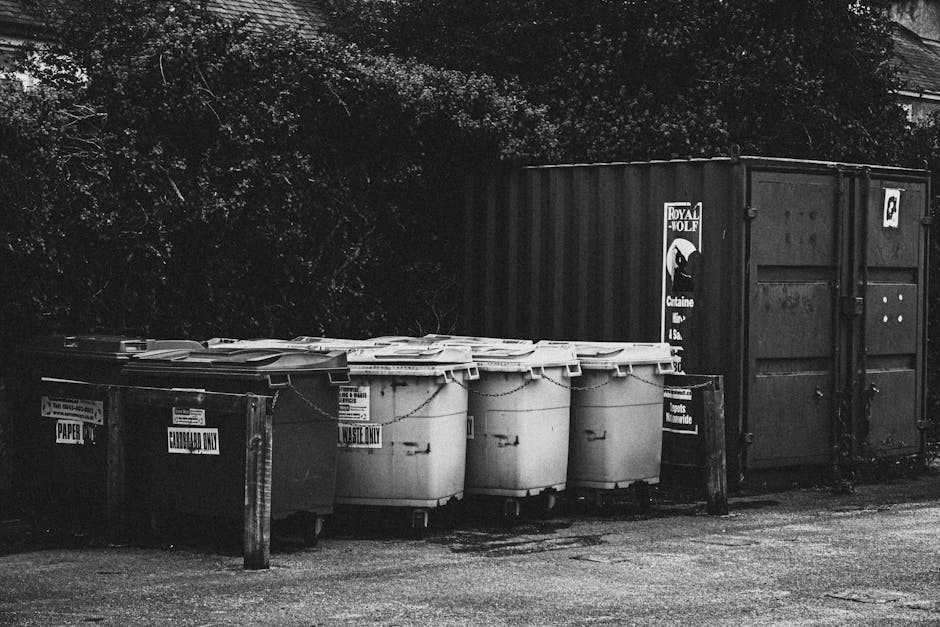
Moving house in Fulwell is busy enough without discovering, halfway through the day, that the old sofa, broken wardrobe, or pile of ripped boxes has been dumped with the wrong operator. Waste disposal law for Fulwell moves: licensed carrier checks is one of those unglamorous jobs that can save you real trouble later. If a mover or man with a van is taking away unwanted items, you need to know who is responsible for the waste, what paperwork or checks matter, and how to avoid ending up tied to someone else's mistake.
In plain English, this guide shows you how waste rules fit into a move, what "licensed carrier" actually means, and how to check a provider before anything leaves your property. We will also cover practical Fulwell-specific moving situations, from bulky clear-outs to last-minute same-day removals, plus the questions worth asking before you sign off the job. To be fair, it is one of those details people only think about after a problem has already happened. Better to handle it early.
Why Waste disposal law for Fulwell moves: licensed carrier checks Matters
When you move, the waste problem often starts small. A cracked bedside table, packaging from appliances, a mattress that will not fit the van, or a few bags of loft clutter that suddenly look a lot bigger in daylight. Then the moving day rush kicks in and you need a quick decision. That is exactly when people become vulnerable to poor waste handling, illegal dumping, and vague promises like "don't worry, we'll sort it out."
Waste disposal law matters because the person arranging the collection can still be responsible if the waste ends up fly-tipped or taken by someone unlicensed. In a place like Fulwell, where streets, parking, access and timing already need careful planning, a careless waste handover can create an avoidable headache. It may also affect neighbours, landlords, and local access if rubbish is left out longer than expected. Nobody wants that smell of damp cardboard and old paint tins hanging around outside a property on moving day.
There is also a trust issue. A properly licensed carrier gives you a trail of accountability. If you are comparing providers, a waste-aware mover should be happy to explain how unwanted items are handled, what is recyclable, what goes to transfer facilities, and what stays with the customer. If they hesitate, that is a signal. Not always a red flag, but enough to ask more questions.
For readers arranging a broader move, it can also help to read the practical side of moving well, not just the legal side. A useful starting point is your guide to a smooth, stress-free house move, especially if you are trying to keep everything coordinated.
Expert summary: If a mover touches your unwanted items, you should understand who carries the waste duty, how the carrier is checked, and what proof is worth keeping. That simple habit can prevent a lot of awkwardness later.
How Waste disposal law for Fulwell moves: licensed carrier checks Works
The basic idea is straightforward: if waste is collected, transported, or disposed of commercially, the carrier should be properly authorised for that activity. In practice, the customer's job is to check that the person or company handling the waste is legitimate and that the service is described clearly before collection starts. Simple, but not always simple in the rush of a move.
A good licensed carrier check usually has four parts:
- Identity check: confirm the company name, trading name, and contact details match the paperwork and branding.
- Authorisation check: ask how they are authorised to carry waste and what type of waste they accept.
- Scope check: find out whether they are removing general household rubbish, bulky items, furniture, or mixed move waste.
- Evidence check: keep a record of what was collected, when, and by whom.
If you are using a removal team that also clears unwanted items, the dividing line matters. Some jobs are purely transport. Others include disposal, recycling, or a separate bulky waste service. That difference affects what questions you should ask, and who is responsible for compliance. In a real move, these things blur fast. One minute it is "just a bit of packaging," the next it is a full van load of old furniture and an unidentifiable tangle of wires.
For moves involving cluttered homes or a bigger pre-move sort-out, it can help to tackle the clutter first. This piece on clear-the-clutter tips for moving house is handy if you want to reduce what has to be removed in the first place.
One more practical point: not all waste is equal. A broken chair and a fridge are not treated the same way. Appliances, mattresses, and certain bulky items may need extra handling. If you are unsure, ask the provider to explain the disposal route in plain language. If they cannot, that is not ideal.
Key Benefits and Practical Advantages
Licensed carrier checks are not just about staying on the right side of the rules. They also make the move cleaner, calmer, and easier to budget for. There is a reason experienced movers keep waste handling separate from random favours or informal "I'll take it away for cash" arrangements.
- Reduced risk of fines or disputes: you are less likely to be associated with irresponsible disposal.
- Better accountability: a checked carrier is easier to question if something looks off.
- Cleaner property handover: especially useful for end-of-tenancy or sale completion.
- More efficient move day: less clutter means fewer delays in loading and unloading.
- Improved recycling outcomes: good operators will separate reusable or recyclable materials where possible.
- Less stress: you know exactly what is going, where it is going, and who is taking it.
There is also a practical knock-on benefit for the rest of the move. The less junk you carry around, the easier it is to load the van safely and protect the items you actually want to keep. If you are working through heavy pieces or awkward boxes, the movement is smoother when the route is clear. That ties in neatly with safer handling advice such as strategies for lifting heavy loads efficiently and understanding kinetic lifting.
In short: less clutter, less confusion, fewer surprises. That is the win.
Who This Is For and When It Makes Sense
This topic matters to more people than you might think. It is not just for people hiring a full disposal service. If any part of your Fulwell move involves unwanted items leaving the property, the checks become relevant.
- Homeowners clearing out before completion: when old furniture, garden waste, or broken appliances need to go.
- Tenants ending a lease: when you want the flat or house left clean and empty.
- Landlords and letting agents: when a property needs a proper turnover after occupants leave.
- Families downsizing: when some items are going to storage, some to charity, and some for disposal.
- Students moving out of shared accommodation: especially when shared bins are full and no one wants to own the mess.
- Busy professionals using same-day help: where speed can make people skip checks if they are not careful.
It is especially sensible when the move includes bulky rubbish, mixed waste, or anything that looks like a "we'll sort it later" pile. Truth be told, "later" is how many bad disposal decisions get made. If you know there will be unwanted items, sort the carrier check before the van arrives.
For local moves around Fulwell and nearby areas, timing and access can be tight too. If your route or parking window is narrow, check local logistics alongside waste handling. Useful related reading includes moving near Fulwell Station and Fulwell removals parking tips.
Step-by-Step Guidance
If you want to keep this practical, follow a simple process. No drama, no guesswork.
- List the waste items early. Walk through the property room by room and write down what may be removed.
- Separate keep, donate, recycle, and dispose. Even rough sorting helps you avoid paying to remove things you still need.
- Ask the mover how waste is handled. Do they remove it, dispose of it, or simply transport it elsewhere?
- Request clear confirmation of carrier status. You do not need a lecture; you need confidence that the waste is being handled properly.
- Clarify what is excluded. Some items may need specialist disposal or separate arrangement.
- Take photos of anything unusual. This can help if there is later confusion about what was collected.
- Keep the paperwork or written confirmation. A simple email trail is often enough for a normal domestic move.
- Check the final handover. Before locking up, make sure nothing has been left in sheds, cupboards, loft hatches, or behind appliances.
A real-world example: you are moving out of a Fulwell flat on a Friday afternoon, and the old sofa will not fit through the hallway without being dismantled. Rather than leaving it to become a problem, you flag it during booking, ask how it will be removed, and confirm the carrier details in advance. That small bit of planning avoids a last-minute scramble when everyone is tired and the lift is already booked. And yes, it does feel slightly boring at the time. But boring is good, sometimes.
If your move is more complex, perhaps with furniture needing protection or temporary holding, it may also help to review storage options in Fulwell and recycling and sustainability guidance to keep the whole process tidy.
Expert Tips for Better Results
A few habits make a big difference. These are the small things that experienced movers tend to do almost without thinking.
- Ask for plain-English answers. If the waste process sounds vague, ask them to break it down.
- Check before loading begins. It is easier to challenge a questionable arrangement before items are in the van.
- Do not mix everything together. Keep reusable items separate from actual waste.
- Make special items obvious. Mattresses, fridges, electronics, and paint tins should not disappear into a random pile.
- Match disposal with the rest of the move plan. If you are already booking packing help, cleaning, or dismantling, align waste removal with those tasks.
- Keep a calm record. A quick note of what was removed and when is more useful than people realise.
One small but useful tip: if the job involves a lot of boxed clutter, do not assume everything in a bag is waste. Moving day has a funny way of swallowing small valuables. I have seen people nearly throw out charging cables, paperwork, even a set of spare keys. Not ideal.
For a fuller move plan, this guide to cleaning a home before departure and the practical advice in packing smartly when relocating both fit nicely alongside waste preparation.
Common Mistakes to Avoid
Most waste-disposal problems come from assumptions. People assume the carrier is licensed, assume the rubbish is "just normal household waste," or assume the mover will sort everything because they said they could. That is where trouble sneaks in.
- Not checking carrier status at all. This is the big one. Never skip it.
- Assuming a van and a licence are the same thing. They are not.
- Leaving mixed waste unlabelled. This slows everything down and can lead to poor sorting.
- Using vague verbal promises only. Get the key points in writing.
- Forgetting about bulky items. Mattresses, sofas, and appliances often need more planning than people expect.
- Dumping everything at the last minute. This creates the kind of rushed decisions that later cause headaches.
- Ignoring local access issues. A collection is not much use if the vehicle cannot stop safely or if the timing clashes with other move-day logistics.
There is also a common misunderstanding around cheap offers. Very low prices can look attractive, especially in a stressful week, but if the disposal route is unclear, cheap can become expensive in the long run. If you are comparing quotes, it helps to ask the right questions first. A related read on what to ask first about removal quotes in TW2 can help you spot the difference between a clear quote and a messy one.
Tools, Resources and Recommendations
You do not need a toolkit the size of a warehouse, just a few simple things that help you stay organised and prove what happened.
- Phone camera: take before-and-after photos of the items being removed.
- Notes app or checklist: keep a short waste inventory by room.
- Email or message record: save the booking details and any confirmation about waste handling.
- Labels or coloured tape: mark items as keep, dispose, donate, or recycle.
- Basic measuring tape: useful for bulky items that may need dismantling or a second plan.
From a service standpoint, a provider who can combine removal, careful loading, and sensible disposal handling tends to make life easier. Pages like services overview, removal services in Fulwell, and man with a van Fulwell are helpful if you are comparing what kind of support your move might need.
If you are moving a smaller property or a student place, it can also help to look at flat removals in Fulwell and student removals in Fulwell, because the disposal and access challenges can be a bit different in those settings.
Law, Compliance, Standards, or Best Practice
Without turning this into a legal lecture, the core principle is simple: waste must be handed to someone who is properly authorised to carry and manage it. In normal domestic moves, that means you should not treat disposal as an informal favour with no checks. Best practice is to use a reputable operator, confirm how waste is managed, and keep a basic record.
In UK moving practice, the common sense standard is pretty clear even where exact obligations vary by item and circumstance: know what is being removed, know who is taking it, and know where it is going. That becomes even more important with items that are bulky, awkward, or require special handling. A mattress left on the pavement, a broken appliance dumped because "someone said they would deal with it," or a van load handed to an unknown middleman can all create avoidable risk.
Best practice also extends to the wider move. A mover should be transparent about pricing, safety, and what is included. If waste removal is mentioned, the details should not feel slippery. A clear provider will normally be comfortable talking through the process alongside safety and insurance matters, and it is worth reviewing insurance and safety information as part of that due diligence.
If you are moving in a way that involves lifting, parking, or access complications, it is wise to combine compliance with practical planning. For example, if you are relocating a larger item such as a piano or sofa, those specialist articles can help you understand how care, loading and transport fit together: piano relocation challenges and sofa preservation for long-term storage.
Options, Methods, or Comparison Table
There is more than one way to handle unwanted items during a Fulwell move. The right option depends on volume, urgency, item type, and how much control you want over the process.
| Option | Best for | Pros | Watch-outs |
|---|---|---|---|
| Move everything yourself | Small amounts of waste and light clutter | Maximum control, potentially lower cost | Time-consuming, heavy lifting, easy to make mistakes |
| Removal team with waste handling | Typical house or flat moves with some unwanted items | Convenient, coordinated, less stress | Must still check how waste is handled |
| Separate bulky waste collection | Large furniture, appliances, or mixed bulky items | Clearer disposal route, often easier for awkward items | May need scheduling around move day |
| Storage first, disposal later | When you are unsure what to keep | Buys time, reduces rushed decisions | Extra step and potentially extra cost |
In many Fulwell moves, the second option is the sweet spot: a removal service that can move your belongings and handle unwanted items responsibly, provided the carrier checks are done properly. If you need more general moving support, house removals in Fulwell and furniture removals in Fulwell may be useful references.
Case Study or Real-World Example
Here is a realistic Fulwell-style example. A couple moving from a first-floor flat had four categories of items: keep, donate, recycle, and dispose. The mistake many people would make is to wait until moving day and then decide in a rush. Instead, they sorted the flat three days before the move, labelled the items, and told the mover exactly which pieces needed to leave the property.
The awkward part was an old chest of drawers with loose backing and a broken chair that would not survive another round of stairs. Rather than treating those pieces as "someone else's problem," they asked how the carrier handled waste and whether the service matched the items. The result was simpler loading, less clutter in the hallway, and no last-minute panic when the van arrived. It was not glamorous. But it worked.
They also avoided a classic mistake: leaving a couple of black bags by the door and assuming someone would know what was inside. Sounds small, but that sort of thing creates confusion. It is much better to label clearly and photograph the items before they go. A bit fussy? Maybe. But fussy is underrated on moving day.
That same kind of practical thinking also helps if your move is affected by local access or timing. If parking is tight or you are coordinating with estate rules, these local reads can save you a headache: Fulwell Park Estate moves, access, lifts and costs and avoid fines with Richmond parking suspension rules.
Practical Checklist
Use this checklist before anything is removed from your property.
- List every item that may be disposed of.
- Separate keep, donate, recycle, and throw away piles.
- Confirm who is physically taking the waste.
- Ask whether the carrier is properly authorised.
- Clarify how bulky or unusual items will be handled.
- Check whether anything needs dismantling first.
- Take photos of the waste items before collection.
- Keep booking messages and any written confirmation.
- Check the property for hidden leftovers after loading.
- Make sure bins, hallways, and shared areas are left tidy.
- Review whether storage is a better temporary option for borderline items.
- Keep one person responsible for the final sign-off, even if the move is busy.
That last point matters more than people think. When several people are helping, waste decisions can get fragmented. One person thinks it is being donated, another assumes it is going to recycling, and somehow the old lamp still ends up in the hallway. Classic move-day chaos. Avoidable chaos, though.
If you want to make the whole process easier from start to finish, it is also worth checking packing and boxes in Fulwell, especially if your unwanted items are mixed in with what you are keeping.
Get a free quote today and see how much you can save.
Conclusion
Waste disposal law for Fulwell moves: licensed carrier checks may sound like a narrow topic, but in real life it sits right at the centre of a safe, tidy, and low-stress move. Once you know who is taking the waste, how they are authorised, and what proof you are keeping, the whole job becomes much simpler. You are not just protecting yourself from avoidable trouble; you are making the move smoother for everyone involved.
The best approach is straightforward: sort early, ask clearly, keep records, and do not hand over waste to anyone whose process feels fuzzy. If you do that, you will already be ahead of many move-day mishaps. And honestly, that is a nice place to be when the kettle is packed and the keys are in your pocket.
Frequently Asked Questions
What is a licensed waste carrier in a Fulwell move?
A licensed waste carrier is a person or company authorised to transport waste as part of their work. In a move, that matters if they take away unwanted items, because you want to know the waste is being handled properly.
Do I need to check a waste carrier even for a small house move?
Yes, if the mover is removing rubbish, broken furniture, or bulky items. Even a small load can become a problem if it is passed to the wrong operator.
Who is responsible if waste is dumped illegally after my move?
Responsibility can become complicated, which is exactly why checks matter. If you arranged the collection, you should make sure you can show who took the waste and what was agreed.
How do I know if a removal company handles waste properly?
Ask them directly how waste is managed, what items they accept, and whether they can explain the process clearly. A proper provider should not sound vague or defensive.
What should I do with bulky items like sofas or mattresses?
Tell the mover about them before moving day. Bulky items often need separate handling, and some may require a different disposal route from ordinary household rubbish.
Is it enough to have a verbal promise that the waste will be taken away?
Verbal promises help with conversation, but they are not ideal on their own. A simple written note or message confirmation is far better, especially if there is any doubt later.
Can a man and van service also deal with waste removal?
Sometimes yes, but do not assume it. Ask whether waste handling is included, separate, or unavailable, and check how it is managed before booking.
What records should I keep after a waste collection?
Keep booking messages, photographs of the items, and a short note of what was collected and when. That is usually enough for a normal domestic move.
Should I sort waste before the movers arrive?
Definitely. Sorting ahead of time saves time, avoids confusion, and helps you separate things you still want from items that are genuinely going.
What if I am moving in a hurry and need same-day help?
If the move is urgent, still ask the carrier questions before items are loaded. Speed is useful, but it should not replace basic checks. If you are in that situation, urgent Fulwell move expectations and fees may help you plan more calmly.
Does recycling count as waste disposal?
Yes, in the practical sense that it is part of how unwanted items are handled. The important point is knowing whether items are being recycled, reused, or disposed of, rather than guessed at.
How can I make the whole process easier on moving day?
Reduce clutter early, label items clearly, and keep disposal separate from your main packing. If you want a calmer move overall, combining waste checks with planning from a smooth, stress-free house move guide is a sensible next step.